Apostolos Andreas Monastery
Sacred Heritage

Between Stone, Faith and Sea

A common spiritual heritage that has lived for centuries at the easternmost end of the Karpaz.

Sacred Heritage

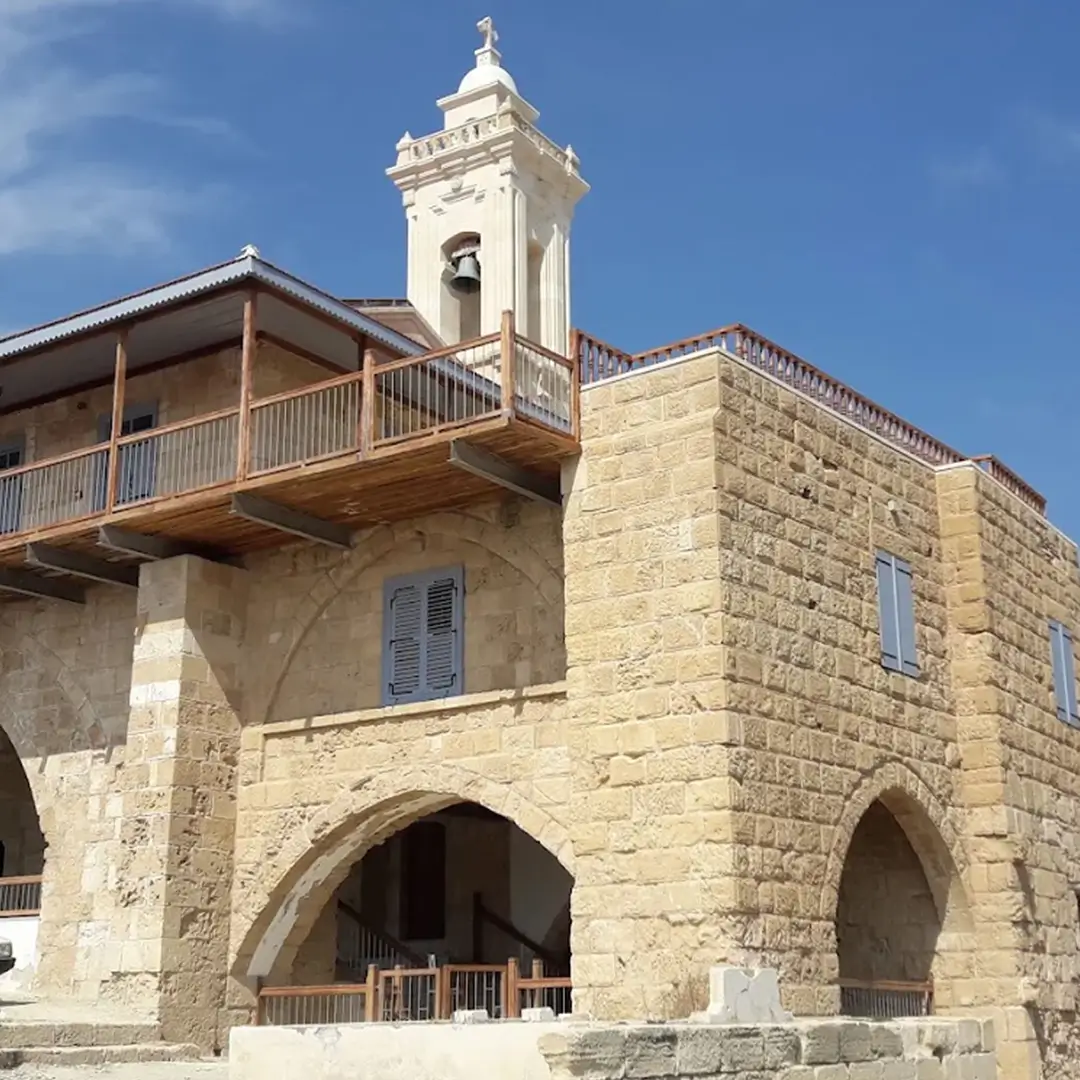
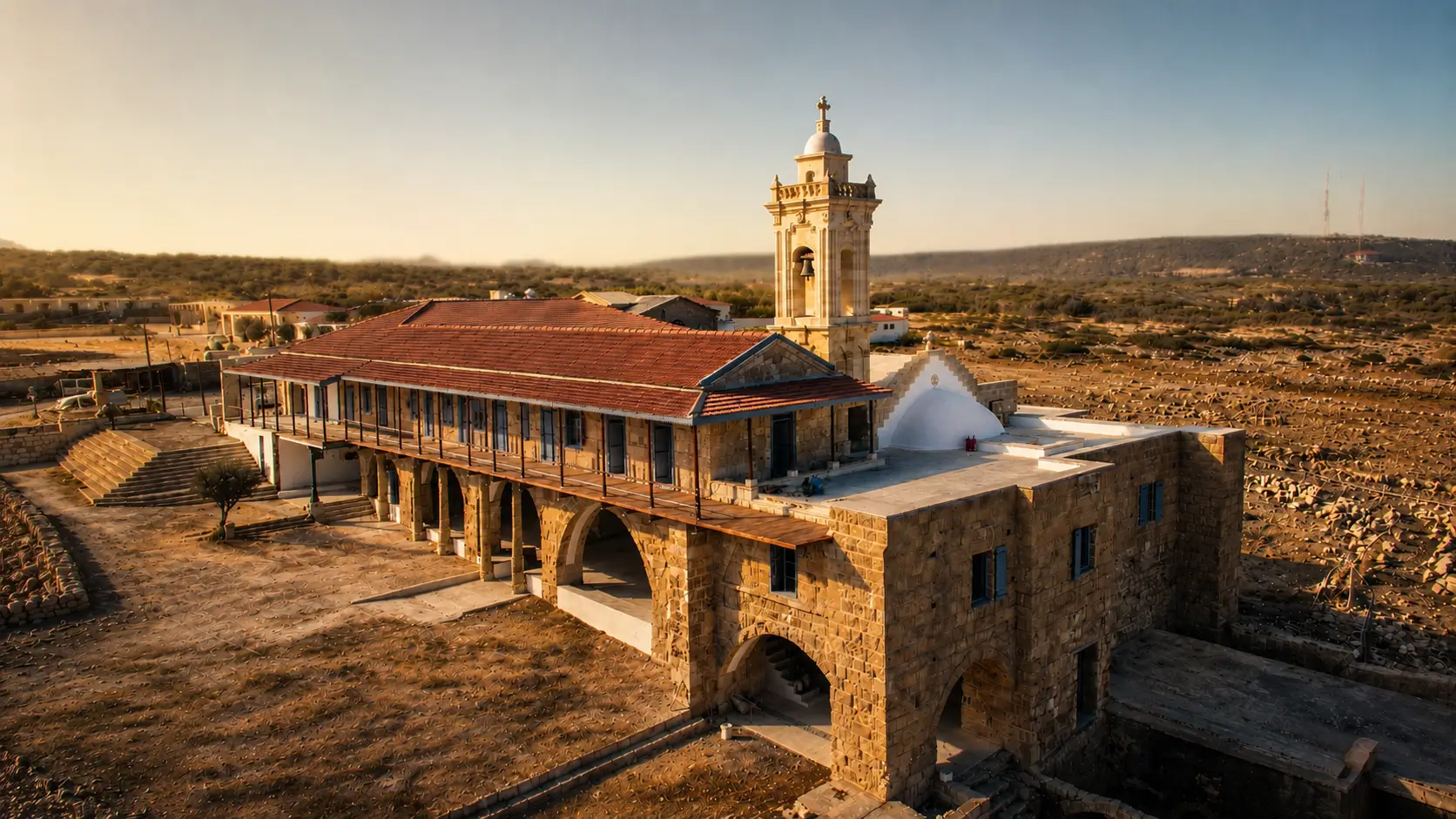
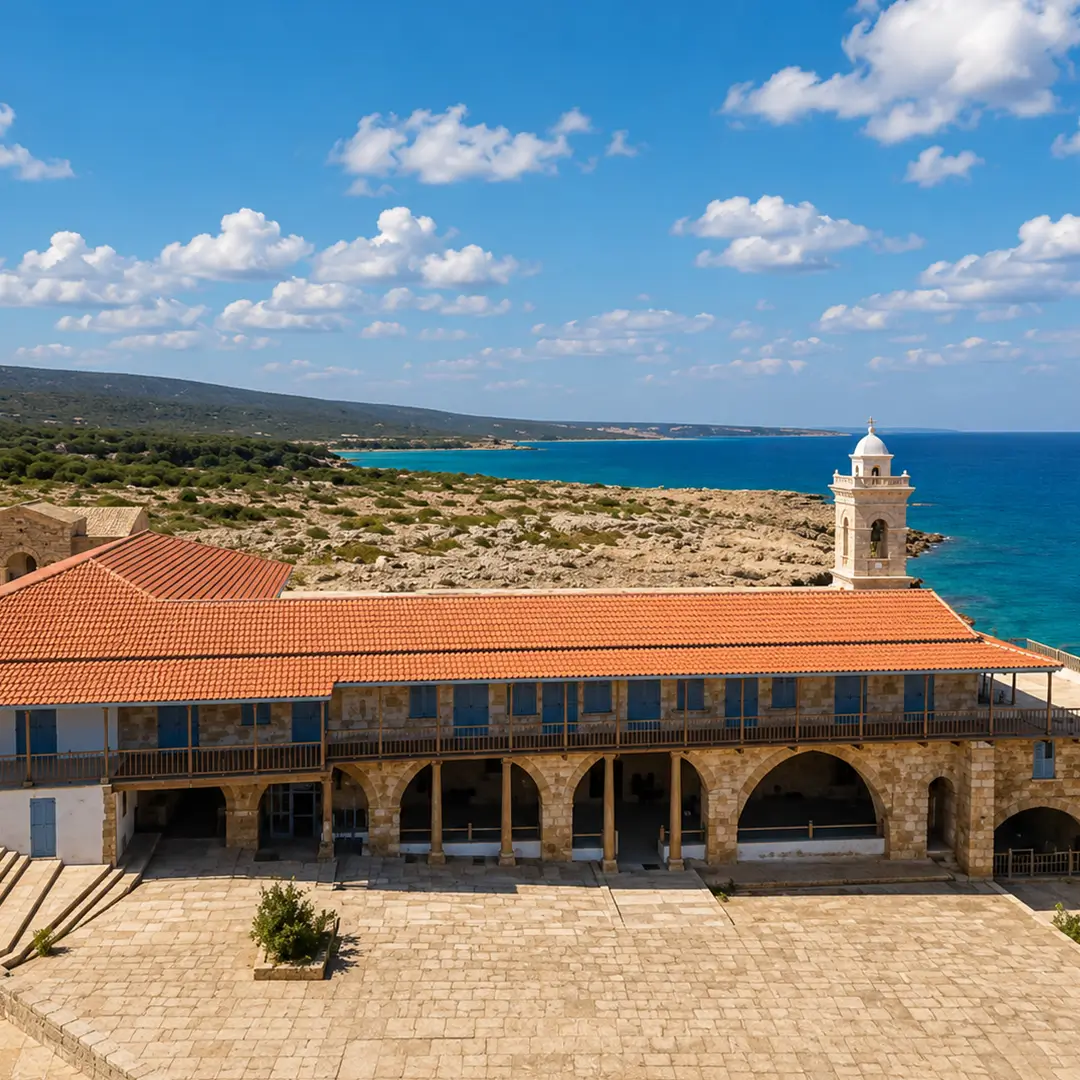
This monastery, dedicated to St. Andrew, has been a frequent destination for pilgrims and visitors for centuries, by the sea, at the easternmost tip of the Karpaz peninsula. According to legend, St. Andrew's ship ran aground here and a sacred spring emerged.

The name Apostolos Andreas means 'Saint Andreas' in Greek. With its strategic location, the monastery has become one of the most important symbols of the region, both spiritually and culturally. It has been visited with respect by both Greek and Turkish communities for centuries.

Restoration work continues and the monastery stands today as a preserved monument to the multi-layered history of the island.
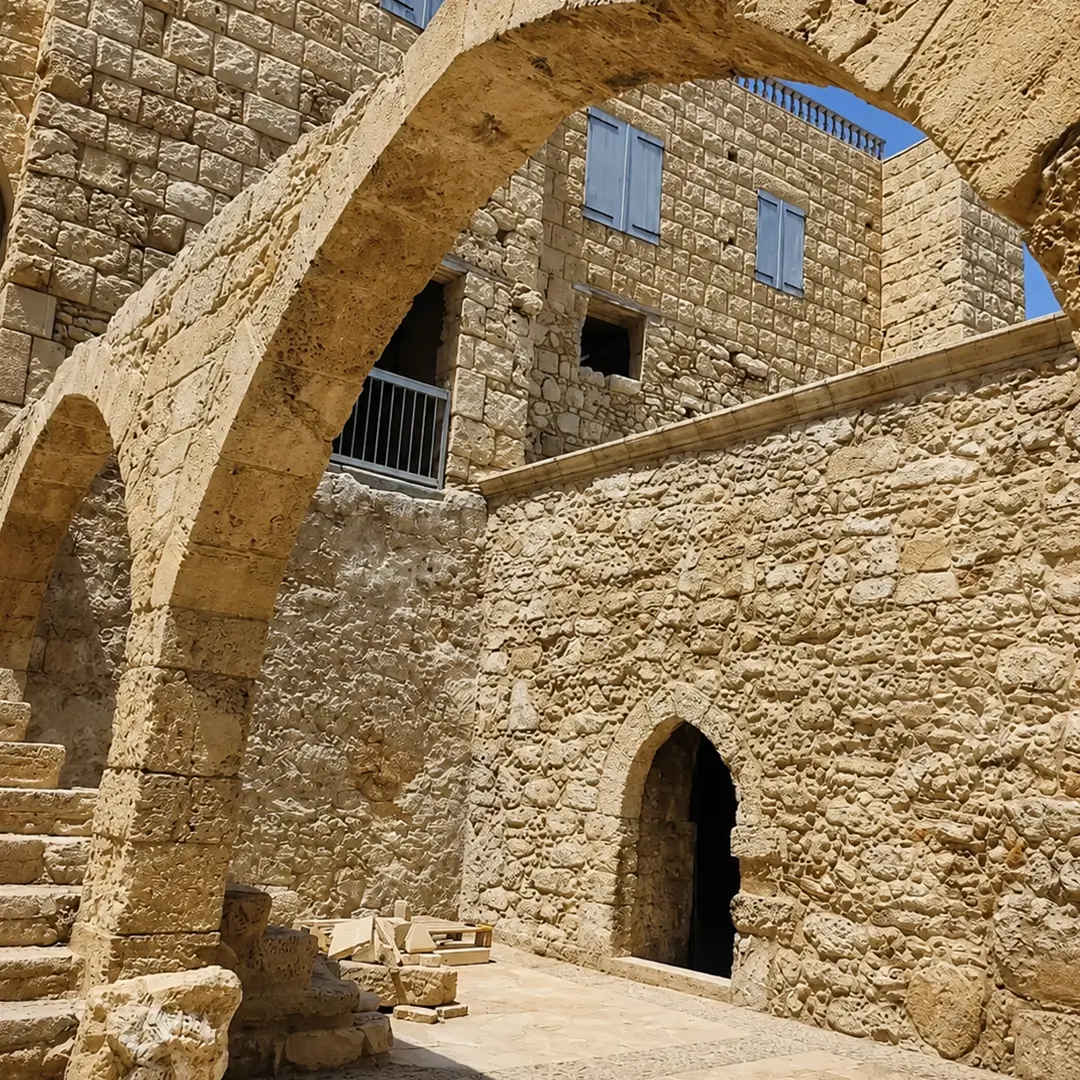
Stone carvings in the monastery interior

Architectural Wonders

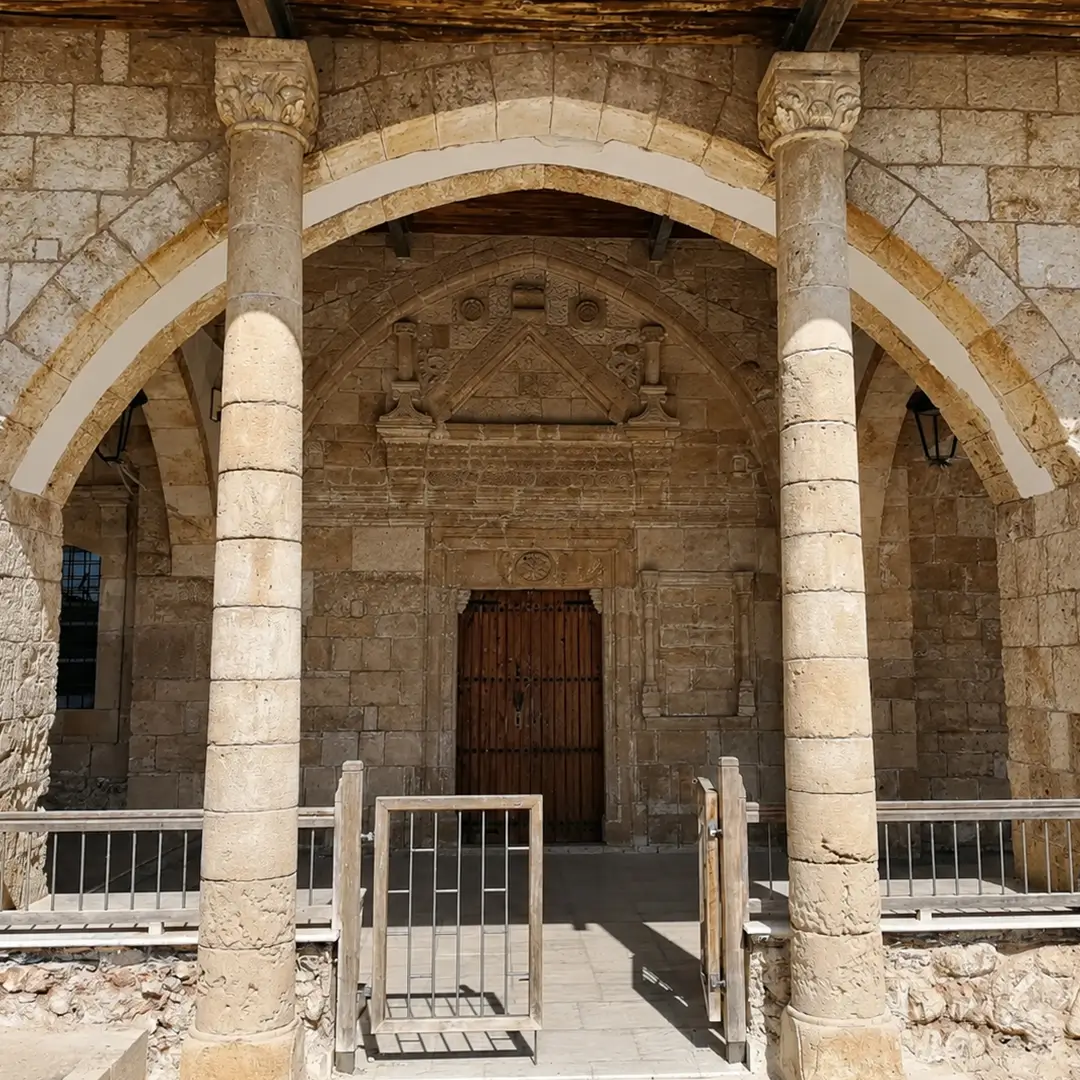
Stone porticoes of the monastery

Porticoes

These arches are outstanding examples of Eastern Mediterranean religious architecture.

Monastery vaults

Vaults

High vaults give the building a monumental interior volume.

Gothic stone work

Stone Work

Local stone and fine carving details create the character of the building.

Peace Chronicles

15th Century

Establishment

The construction of the first building dedicated to St. Andrew begins.

18th–19th Centuries

Golden Age

Porticoes, prayer areas and accommodation structures for pilgrims are added.

After 1974

Rebirth

The common spiritual heritage is preserved and restoration work continues.